The blog

Beyond the paragraph, into the practice.

Working essays on diversity, equity, inclusion, and accessibility, 2SLGBTQI+ inclusion, employee resource groups, inclusive leadership, and the realities of culture change. Plain language. No corporate jargon. Built from twenty years of practice.

32 Posts
2025 Latest

Topics

All posts

DEIA Strategy

📊 If You're Not Measuring DEIA, You're Not Doing DEIA

Without data, DEIA efforts remain performative. This post explores why measurement is critical for organizational accountability, moving from simple intentions to meaningful impact by tracking both quantitative representation and qualitative employee experiences to ensure systems are truly equitable and inclusive.
2SLGBTQI+ Inclusion

🌈 Why Pronouns Matter, And What They Say About Your Workplace

Let's talk pronouns. These tiny words pack a big punch. Respecting someone's pronouns isn't about being politically correct, it's about being personally respectful. In the workplace, respect isn't optional, it's foundational for creating a culture of safety and belonging.

DEIA Strategy

Gender Inclusion Is Everyone's Business , And Everyone Benefits

Gender inclusion is more than just a matter of safety; it is a fundamental driver of organizational success and equitable access to opportunities. True inclusion requires recognizing the full spectrum of identity to ensure systems and cultures work effectively for everyone.

DEIA Strategy

🏳️‍🌈 If It's Not Safe, It's Not Inclusive: Why Safe Spaces Matter for LGBTQIA+ People at Work

Many employees, particularly those in the 2SLGBTQI+ community, do not feel safe in their workplaces. Organizations must actively create safe spaces where individuals can exist without fear of harassment or discrimination, as failing to do so contributes to an environment where silence can be dangerous.

2SLGBTQI+ Inclusion

🏳️‍🌈 Alphabet Soup 101 , What You Need to Know About the LGBTQIA+ Community

Understanding the LGBTQIA+ initialism is essential for workplaces that value inclusion. Behind every letter is a person, including colleagues, friends, and leaders. This guide breaks down the community basics to help organizations move beyond acronyms and recognize the humanity within their diverse workforce.

DEIA Strategy

🧲 Want to Attract Top Talent? Get Inclusive, or Get Left Behind.

Many organizations struggle to attract diverse candidates because their recruitment processes contain unintentional biases. By systematically removing exclusion from job descriptions and broadening recruitment channels, leaders can transform their hiring strategy into a magnet for top talent and build more inclusive workplace cultures.

Allyship

Privilege Isn't the Problem , Not Using It Is

Privilege exists as a factual, unearned advantage rather than an accusation or judgment of hard work. Recognizing that almost everyone possesses some form of privilege is the first step toward moving beyond apathy and leveraging that power to create more equitable spaces and inclusive systems.

DEIA Strategy

🚂 DEIA Isn't Off the Rails , We Are

Recent discussions suggest that DEIA is on the way out, often being labelled as performative or political. While some organisations are hitting the brakes due to backlash, the truth is that DEIA remains a critical social responsibility and a rock-solid business strategy for long-term success.

DEIA Strategy

Representation Isn't Just Important, It's Everything

Representation in leadership and workplaces is a necessity that affirms identity and creates safety for all people. When individuals see themselves reflected in positions of influence, it validates their existence and expands what they believe is possible for their own lives and careers.

DEIA Strategy

🔍 The Bias You Don't See Is the One Doing the Most Damage

Unconscious bias is an automatic human condition that quietly influences every decision we make. Recognizing that bias is baked into our brain is the first step toward building systems and processes that reduce its impact in the workplace.

DEIA Strategy

💸 Still Good Business: Why Inclusion Is an Economic Imperative

Organizations that prioritize inclusion, diversity, equity, and accessibility (DEIA) outperform, out-innovate, and outlast those that do not. While some critics dismiss these efforts as political, the data proves that inclusive workplaces are more likely to meet financial targets and drive strategic performance.

Inclusive Leadership

Inclusive Leadership: Not Just the Right Thing. The Smart Thing

Leading inclusively is not about being nice or fluffy feelings, it is a strategic approach to building environments where everyone can thrive. This post explores how self-awareness, cultural competence, and empathy serve as competitive advantages that drive organizational performance and innovation.

2SLGBTQI+ Inclusion

The Real Cost of Excluding LGBTQIA+ People at Work

LGBTQIA+ individuals are present in every workplace, yet many remain closeted due to safety and career concerns. This post explores the significant human and business costs of exclusion, emphasizing that true inclusion requires explicit policies, inclusive benefits, and a culture of respect beyond performative visibility.

Allyship

Allyship: Less Rainbow Pin, More Actual Work

Michael Bach challenges the label of 'ally,' arguing that true allyship is a consistent, often uncomfortable daily practice rather than a performative identity. He outlines five actionable steps for using privilege to dismantle barriers and drive meaningful workplace inclusion.

DEIA Strategy

Which comes first? The Chicken (Diversity) or The Egg (Inclusion)

Many employers focus on diversity representation without addressing workplace inclusion. Using a soil and seed analogy, Michael Bach argues that organizations must first cultivate an inclusive, equitable, and accessible environment where all people can thrive before focusing on recruitment.

DEIA Strategy

A Landfill Can be a Symbol of our Failure at Reconciliation

Michael Bach explores the profound failure of reconciliation in Canada through the government's refusal to search a landfill for the remains of murdered Indigenous women. The post contrasts this inaction with the costly search for the Titan submersible, questioning the value placed on Indigenous lives.

2SLGBTQI+ Inclusion

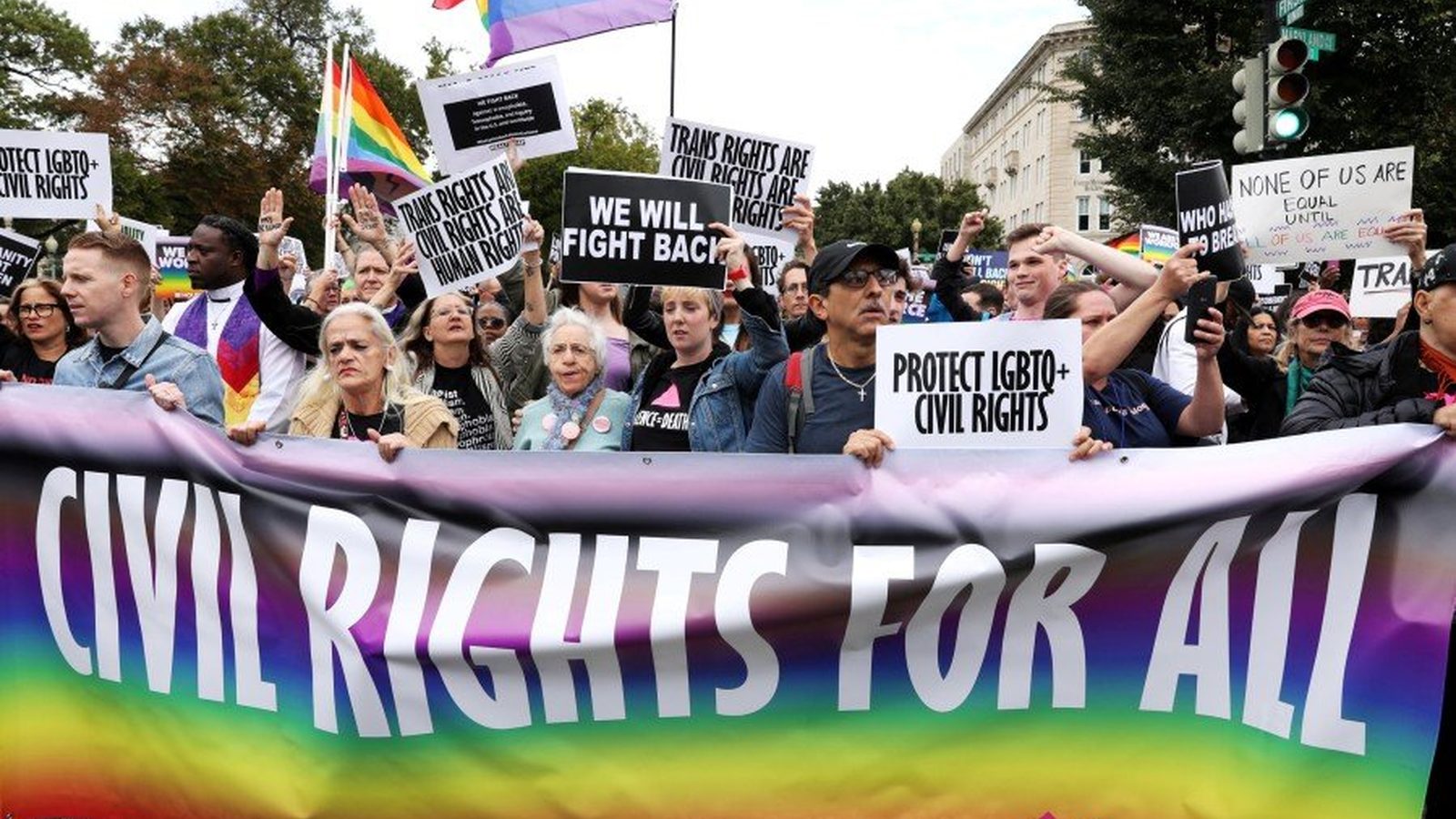
The LGBTQ+ community is under attack, and it's bad for your business!

The 2SLGBTQI+ community is currently facing a surge in exclusionary legislation across the United States. This environment of discrimination not only impacts millions of individuals and their allies but also creates significant economic risks and labour challenges for businesses operating in these regions.

DEIA Strategy

The Missing Piece of Inclusive Leadership

While words like inclusion, diversity, equity, and accessibility have entered the mainstream, progress in leadership remains slow. True inclusive leadership requires more than just awareness; it demands that leaders recognize their own privilege and actively leverage it to create a more equitable playing field for others.

DEIA Strategy

What Makes A Good D&I Consultant?

Michael Bach reflects on the evolution of the diversity and inclusion consulting industry since 2006. He discusses the influx of new practitioners following 2020 and provides a framework for organizations to evaluate the qualifications, experience, and specific skills of potential DEIA consultants.

DEIA Strategy

Microaggressions in the Workplace

Microaggressions are subtle or unintentional acts of discrimination against members of marginalized groups. In the workplace, these actions significantly impact organizational culture and employee retention. Creating a welcoming environment requires educating employees on inclusion and shifting from calling people out to calling them in for learning opportunities.

DEIA Strategy

Making a Shift in the Workplace Culture

Michael Bach explains the transition from viewing DEIA as a program to achieving a genuine culture shift. He outlines a data-driven process for organizations to address the source of systemic issues and highlights leadership buy-in and communication as critical success factors.

2SLGBTQI+ Inclusion

Things You Need to Understand About Gender Pronouns

You may have noticed pronouns popping up in email signatures, online profiles, and introductions. But why does it matter? Pronouns are about how a person identifies and using the correct ones is about showing respect. Understanding the difference between sex and gender is key to inclusion.

Workplace Culture

Five Tips For Making Your Workplace More Attractive To LGBTQ+ Talent

The United States is currently experiencing a historically low unemployment rate, which leaves employers struggling to find talent. Organizations must work harder to attract prospective employees by focusing on flexibility, well-being and culture to differentiate themselves from competitors through a public commitment to 2SLGBTQI+ inclusion.

Allyship

Inclusion Means We Need to Take Back the Narrative

Today I read an article on CBC about an Ontario group for LGBTQ youth receiving death threats for planning a drag show. This disturbing incident highlights a significant increase in hateful noise from a vocal minority, necessitating a call for allies to take back the narrative through active participation.

2SLGBTQI+ Inclusion

Employers have an opportunity with the Fall of Roe v. Wade

Following the Supreme Court's decision to overturn Roe v. Wade, employers face a unique opportunity to champion human rights. By prioritizing flexibility and clear inclusive policies, organizations can differentiate themselves and attract millions of LGBTQ+ professionals seeking authentic work environments.

Personal Reflection

Why the LGBTQ+ Pride Flag Matters

After experiencing the theft of their pride flag in Toronto, Michael Bach reflects on why these symbols remain essential for safety and visibility. In a world where 2SLGBTQI+ rights are increasingly under attack, active allyship is necessary to ensure that neighbourhoods remain welcoming for everyone.

Allyship

My Superpower is Privilege

Recently a colleague shared a story about being accused of having white privilege despite living with a disability. This post defines privilege as an invisible advantage and encourages readers to leverage their own privilege as a superpower to benefit others and create a more inclusive society.

ERGs

Utilizing Employee Resource Groups in Organizations

Building an Employee Resource Group can help organizations attract and retain employees, build engagement, and increase innovation. This post explores how these groups serve as a powerful asset within an organization's DEIA strategy, providing guidance on implementing them effectively across operations of all sizes.

2SLGBTQI+ Inclusion

Your Lack of LGBTQ2+ Inclusion is Costing You Money

Organizations often overlook the significant financial costs of failing to create inclusive spaces for 2SLGBTQI+ individuals. These costs manifest through reduced employee engagement, higher voluntary turnover, and diminished innovation, highlighting that workplace inclusion is a critical business decision rather than just a moral imperative.

2SLGBTQI+ Inclusion

Cake is Not for Eating : ExxonMobil Can't be Inclusive Without Picking a Side

Global energy giant ExxonMobil is facing criticism for banning external position flags, including those supporting LGBTQ2+ Pride. This policy shift highlights the growing expectation for companies to take clear stances on social issues rather than attempting to remain neutral in an increasingly polarized landscape.

DEIA Strategy

Understanding our Role in Creating Inclusive Workplaces

Inclusion in the workplace is an ongoing process where success depends on leaders taking an active role. This insight comes from thirty-five years of experience in the 2SLGBTQI+ inclusion space, highlighting the need for continuous education and collective impact to create truly safe and welcoming environments.

DEIA Strategy

Why is it important for a business to have a plan for diversity (in hiring/employment, and developing clientele) in place?

Diversity does not necessarily happen naturally. While a workforce may appear diverse, it is often due to available talent rather than deliberate action. To ensure an inclusive workplace, businesses must implement structured plans and policies to overcome hard-wired unconscious biases and systemic stereotypes.

No posts match this topic yet. Try another filter.